
Scaling a Gaming Platform with Real-Time AI Personalization
Business
26/03/26
Read time: 3 min

Client
A fast-growing international gaming company focused on multiplayer mobile and web-based experiences, serving millions of active users across North America and Europe. The client operates in a highly competitive market where user retention, performance, and real-time engagement are critical.
Services Provided
- Technology Consulting
- Agile Team Augmentation
- Data Engineering
- Quality Assurance & Performance Testing
Technologies
- Backend: Node.js, Python
- Frontend: React
- Infrastructure: AWS (EC2, S3, Lambda, RDS)
- Databases: PostgreSQL, Redis, BigQuery
- AI/ML: TensorFlow
- DevOps: Docker, Kubernetes, CI/CD pipelines
- Monitoring: Prometheus, Grafana
Project Overview
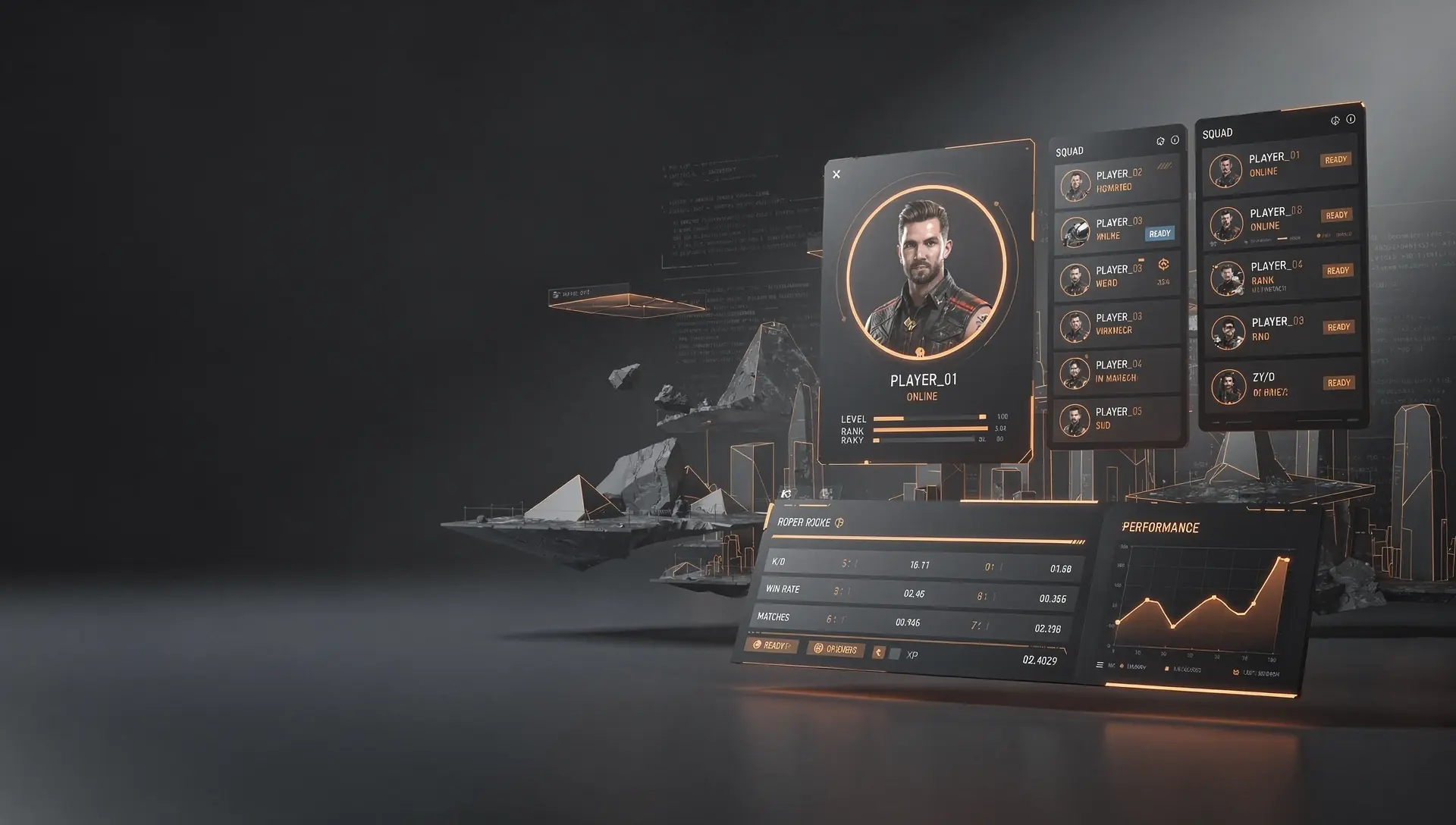
The client aimed to scale their platform to support rapid user growth while improving in-game personalization and real-time responsiveness. Existing infrastructure experienced peak loads. There was no structured user segmentation which led to limited engagement and underestimated monetization potential. Engipulse was engaged to re-engineer key backend components, introduce AI-driven personalization features, and establish a scalable, cloud-native architecture.
Scope of Work
The system had grown quickly, and performance issues only became visible under real player load. We focused on stabilizing and restructuring key backend services without disrupting ongoing development. In parallel, we introduced personalization, with data pipelines and recommendation logic that could work in real time:
- Re-architected core backend services to enable scalability
- Built real-time data pipelines for player behavior
- Implemented AI-driven recommendations, incl. content and offers
- Optimized databases and caching
Challenges
The main difficulty was that problems appeared under pressure – during peak traffic and live updates. We had to reduce latency without affecting gameplay, while also integrating AI models that needed to be both fast and relevant. At the same time, parts of the system had to be improved without downtime.
- High concurrency and traffic spikes
- Real-time performance constraints
- AI integration without latency overhead
- Data inconsistencies across services
- Continuous releases alongside system improvements
We assembled a team of five engineers aligned with the needs of the gaming domain. Several team members brought prior experience in building enterprise-grade gaming solutions, which significantly improved the project’s efficiency and execution.
Key Results
- 30% reduction in backend latency during peak hours
- 28% increase in user engagement
- 99.95% uptime post-migration
- Faster and more stable release cycles