
AI in Retail: From Predictive Inventory to Autonomous Stores — What Actually Works in 2026
Industry Insights
07/07/26
Read time: 6 min
The retail industry spent an estimated $31 billion on AI solutions in 2025, according to IDC’s latest forecast — yet nearly 40% of pilot projects never reached production scale. The gap between AI’s theoretical promise and operational reality remains substantial, but a clear pattern has emerged: organizations that treat AI as an infrastructure decision rather than a technology experiment are capturing disproportionate value.
Google’s recent redesign of its search interface — the first fundamental change in 25 years — illustrates a broader shift in how AI is being embedded into core workflows rather than bolted on as features. For retail and e-commerce leaders, this same principle applies: AI integration strategy determines outcomes more than model selection.
Demand Forecasting and Inventory Optimization: The Highest-ROI Application
Inventory management remains the most mature and financially impactful AI application in retail. The economics are straightforward: overstocking ties up working capital and drives markdowns, while understocking loses sales and erodes customer trust. Machine learning models that incorporate external signals — weather patterns, social media trends, local events, competitor pricing — consistently outperform traditional statistical methods.
Walmart’s AI-driven inventory system, deployed across 4,700 U.S. stores, reduced out-of-stock incidents by 30% in high-velocity categories while simultaneously cutting excess inventory by 15%. The system processes over 500 million data points daily, adjusting store-level forecasts in near real-time.
Key implementation considerations for demand forecasting:
- Data foundation matters most. Models require clean historical sales data, accurate inventory counts, and reliable demand signals. Most failed implementations trace back to data quality issues, not algorithmic limitations.
- Granularity drives value. Store-SKU-day level forecasting outperforms aggregate predictions but requires significantly more computational infrastructure.
- Human override capabilities are essential. Merchandising teams need transparent model outputs and the ability to adjust forecasts based on contextual knowledge the model cannot access.
Dynamic Pricing Engines: Balancing Margin and Market Position
Real-time pricing optimization has moved from airline and hotel sectors into mainstream retail. A 2025 McKinsey analysis found that retailers using AI-driven pricing captured 2-5% additional margin compared to rule-based competitors — a significant advantage in an industry where net margins often hover in single digits.
Amazon’s pricing algorithms adjust millions of prices daily, but mid-market retailers are now deploying similar capabilities through specialized platforms. Kroger’s dynamic pricing pilot across 200 stores demonstrated an 8% improvement in gross margin on perishable goods while maintaining competitive price perception scores.
The implementation challenge lies in balancing multiple objectives:
- Margin optimization versus market share protection
- Price consistency across channels (avoiding the “price check” problem)
- Regulatory compliance in jurisdictions with price gouging restrictions
- Brand positioning and customer trust implications
Organizations exploring retail and e-commerce AI solutions should prioritize pricing systems that provide explainable recommendations, not black-box outputs that merchandising teams cannot validate or defend.
Computer Vision and Autonomous Checkout: The Infrastructure Bet
Frictionless checkout technology has matured significantly, but deployment economics remain challenging for most retailers. Amazon’s Just Walk Out technology, now licensed to third-party retailers, processes over 85 million transactions monthly across 200+ locations. The technology works — the question is whether the unit economics justify the infrastructure investment.
Implementation costs for autonomous checkout typically range from $500,000 to $2 million per store, depending on format and complexity. Payback periods extend to 4-7 years in most scenarios, making this a strategic infrastructure decision rather than a near-term ROI play.
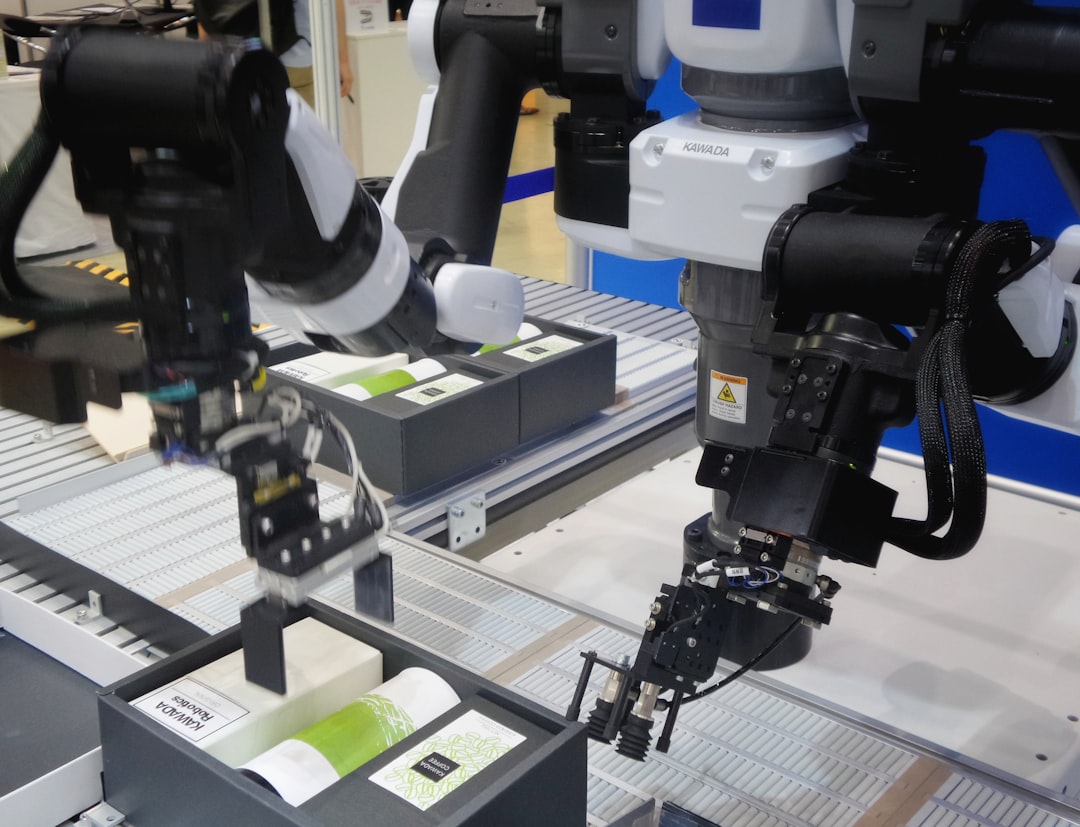
More practical for most retailers: computer vision applications for loss prevention and shelf analytics. Ahold Delhaize’s deployment of shelf-scanning robots across 500 stores improved on-shelf availability by 12% while reducing labor costs for inventory audits by 40%.
Personalization at Scale: Moving Beyond Recommendation Widgets
The next wave of retail personalization extends beyond product recommendations into individualized experiences. Sephora’s AI-powered virtual artist tool, which uses facial recognition to recommend cosmetics, drove a 28% increase in conversion among users who engaged with the feature. More importantly, it captured preference data that improved downstream email and search personalization.
Effective personalization requires thinking in terms of data products rather than isolated features — a platform approach that enables multiple applications to leverage shared customer understanding. This architectural shift, detailed in our analysis of enterprise analytics transformation, separates scalable personalization from one-off implementations.
Critical success factors include:
- First-party data strategy. With third-party cookies deprecated and privacy regulations tightening, retailers must invest in owned data collection mechanisms.
- Real-time decisioning infrastructure. Batch-processed personalization cannot compete with systems that respond to in-session behavior.
- Cross-channel identity resolution. Customers expect consistent experiences whether browsing mobile, shopping in-store, or receiving email communications.
Implementation Realities: What Separates Success from Expensive Pilots
The technical complexity of retail AI is often overstated; the organizational complexity is consistently underestimated. Failed implementations typically share common patterns: insufficient integration with existing systems, lack of clear ownership between IT and business units, and unrealistic timeline expectations.
Organizations that succeed tend to approach AI as an engineering team capability rather than a vendor procurement exercise. This means building internal competency to evaluate, integrate, and iterate on AI systems — even when partnering with external specialists for implementation.
The most important question for retail leaders in 2026 is not “which AI applications should we deploy?” but “what infrastructure and organizational changes will allow us to deploy AI applications continuously?” The retailers capturing value today are those who answered that question two to three years ago.
Engipulse
Let’s Work Together
Get in touch and let’s discuss your business case — whether you need a dedicated engineering team, AI implementation, or custom software development.